

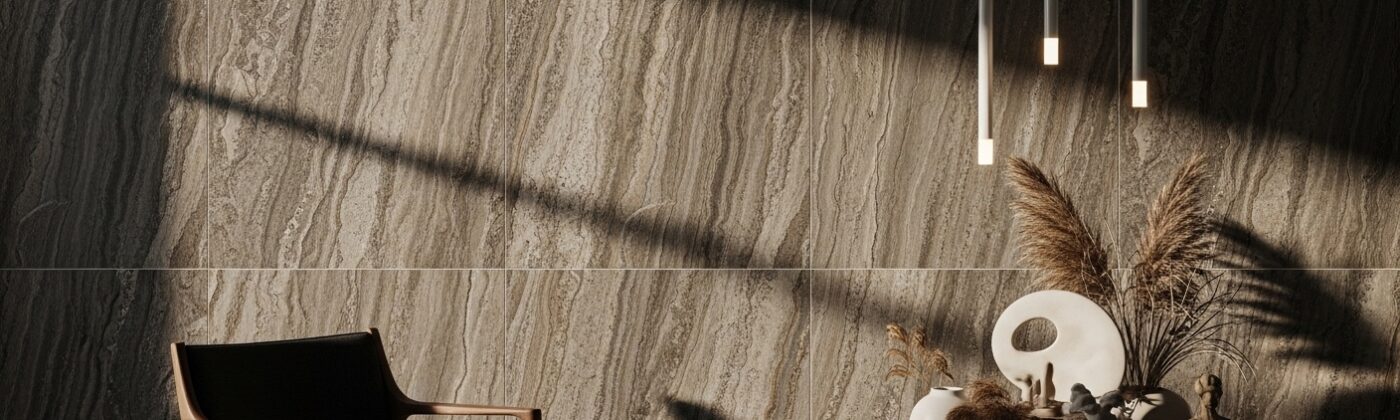
What Is Vitrified Tiles? A Comprehensive Guide
Vitrified tiles have become one of the most preferred flooring materials in modern homes, offices, and commercial spaces. Known for their strength, elegance, and long-lasting performance, they are often considered a premium alternative to traditional ceramic tiles. But what exactly are vitrified tiles, and why do they stand out in the world of flooring solutions? In this comprehensive guide, we’ll explore everything you need to know—from their manufacturing process to types, benefits, uses, and maintenance.
At Koho Surface, we believe that choosing the right tiles begins with understanding their composition and performance. Whether you’re renovating your home or designing a new space, this guide will help you make an informed decision.
1. What Are Vitrified Tiles?
Vitrified tiles are a type of ceramic tile made using a special process called vitrification. During this process, a mixture of silica, clay, quartz, and feldspar is heated at extremely high temperatures. This causes the materials to melt and fuse together, creating a glass-like, non-porous surface.
This vitrified structure gives the tile:
- High strength
- Low porosity
- Glossy appearance
- Excellent durability
- Resistance to stains and moisture
Because of these qualities, vitrified tiles are ideal for both interior and exterior spaces.
2. How Vitrified Tiles Are Made
The manufacturing process is what makes vitrified tiles superior to ordinary ceramic tiles. It includes:
Step 1 — Raw Material Mixing
Clay, quartz, feldspar, silica, and pigments are mixed to achieve the tile’s required composition.
Step 2 — Hydraulic Pressing
The mixture is fed into large hydraulic presses that shape the tiles with high pressure, increasing their density.
Step 3 — Drying Process
Tiles are dried to remove any moisture, ensuring a crack-free firing stage.
Step 4 — Firing at High Temperature
Tiles are baked at temperatures above 1200°C. This melts silica and glass-forming elements, resulting in vitrification.
Step 5 — Polishing or Finishing
Depending on the type, tiles may be polished, coated, glazed, or textured.
This advanced process gives vitrified tiles exceptional hardness and longevity.
3. Key Features of Vitrified Tiles
Vitrified tiles are unique because of their powerful combination of aesthetics and functionality. Their most important features include:
✔ Low Water Absorption
Porosity is extremely low—less than 0.5%—making these tiles water-resistant and ideal for bathrooms, kitchens, and outdoor use.
✔ High Durability & Strength
The vitrification process creates a tough surface that resists cracks and daily wear.
✔ Scratch & Stain Resistance
Perfect for homes with kids, pets, and heavy activity.
✔ Glossy & Elegant Appearance
Their natural shine adds luxury to any space.
✔ Easy to Clean & Maintain
Dirt doesn’t stick easily, and regular mopping keeps them looking new.
4. Types of Vitrified Tiles
Vitrified tiles come in several varieties, each designed for specific needs.
1. Double Charged Vitrified Tiles
These tiles have a double layer of pigment, making them:
- Highly durable
- Suitable for heavy traffic
- Long-lasting in design
Perfect for malls, offices, and busy households.
2. Glazed Vitrified Tiles (GVT)
GVT tiles have a glazed surface that allows:
- Detailed designs
- Digital printing
- Wide colour and pattern variations
Ideal for homes, feature walls, and designer spaces.
3. Polished Vitrified Tiles (PVT)
These tiles are polished to achieve a mirror-like finish. They are:
- Attractive
- Reflective
- Perfect for spacious rooms
Great for living rooms and luxury interiors.
4. Full Body Vitrified Tiles
Colour and design run through the entire body of the tile, not just the surface.
They offer:
- High strength
- Minimal chipping marks
- Best performance in outdoor or commercial areas
5. Difference Between Vitrified Tiles and Ceramic Tiles
Many people confuse vitrified tiles with ceramic tiles, but they differ significantly.
| Feature | Vitrified Tiles | Ceramic Tiles |
|---|---|---|
| Water Absorption | Very Low | Higher |
| Durability | High | Medium |
| Finish | Glossy / Matte / Polished | Mostly Matte |
| Strength | Superior | Good |
| Outdoor Suitability | Excellent | Limited |
| Stain Resistance | Very High | Moderate |
Vitrified tiles clearly offer more advantages and long-term value.
6. Advantages of Vitrified Tiles
Vitrified tiles have numerous benefits that make them ideal for modern interiors.
1. Long Lifespan
They can easily last 20–25 years with basic maintenance.
2. Luxurious Appearance
They offer a premium look similar to marble or granite.
3. Highly Resistant Surface
Resistant to:
- Stains
- Scratches
- Chemicals
- Heat
- Moisture
4. Versatile Applications
Suitable for:
- Living rooms
- Bedrooms
- Kitchens
- Bathrooms
- Outdoor areas
- Commercial spaces
5. Consistent Quality
Uniform size, shape, and thickness ensure a smooth installation.
7. Where to Use Vitrified Tiles?
Vitrified tiles are versatile enough for almost every space in a home or building.
Living Room & Bedrooms
Use large-size glossy tiles for a spacious, elegant look.
Kitchen
Stain-resistant surface makes cleaning easy.
Bathroom
Matte-textured vitrified tiles prevent slips.
Balconies & Outdoor Areas
Full-body vitrified tiles resist harsh weather and rough usage.
Commercial Spaces
Double-charged tiles offer unmatched durability.
8. Design Options Available in Vitrified Tiles
Vitrified tiles offer endless design possibilities, especially with digital printing.
Popular options include:
- Marble-look tiles
- Stone-look tiles
- Wooden finish
- Textured patterns
- Matte concrete finish
- High-gloss luxury tiles
With these options, you can create modern, classic, minimalistic, or luxury interiors easily.
9. Installation Tips for Vitrified Tiles
To achieve a perfect finish, proper installation is essential.
✔ Choose an experienced tile installer
Incorrect installation can lead to cracks and uneven floors.
✔ Use high-quality adhesives
Recommended for ensuring long-term bonding.
✔ Maintain proper spacing and alignment
Helps avoid lippage and enhances the floor design.
✔ Use matching grout for a clean look
Colour-matched grout gives your flooring a smooth, continuous appearance.
✔ Allow proper drying time
Avoid stepping on fresh installations for 24–48 hours.
10. How to Maintain Vitrified Tiles
Vitrified tiles are very low maintenance, but regular care helps extend their life.
Daily Care
- Sweep or vacuum
- Mop with mild detergent
- Avoid acidic cleaners
Monthly Care
- Deep clean with a pH-neutral solution
- Check grout for any gaps
Avoid
- Dragging heavy furniture
- Acidic chemicals
- Metal scrubbers
With proper maintenance, vitrified tiles can look new for many years.
11. Are Vitrified Tiles Worth the Investment?
Absolutely. When compared to traditional flooring materials like ceramic tiles or marble, vitrified tiles offer:
- Better durability
- Elegant appearance
- Easy installation
- Low maintenance costs
- Higher stain and scratch resistance
- Long-term value
Choosing premium vitrified tiles ensures both beauty and functionality.
Final Thoughts
Vitrified tiles are a perfect combination of strength, style, and reliability. Their low water absorption, superior durability, and variety of designs make them a top choice for modern homes. Whether you’re building a new house or renovating your existing one, vitrified tiles offer long-lasting performance and timeless beauty.
Trusted brands like Koho Surface provide high-quality vitrified tiles that meet global standards and offer exceptional aesthetic value. With the right selection and proper installation, vitrified tiles can elevate your home’s interior and maintain their charm for decad